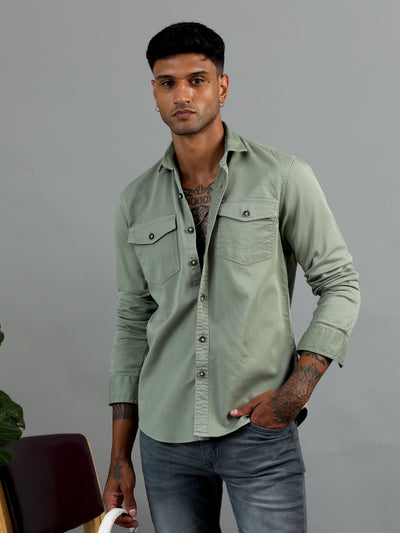


How to Find the Right Shirt Fit for Your Body Type
Finding a great shirt isn't only about choosing the right colour or design. Shirt fit can make just as much difference to how an outfit looks and feels. A shirt that's too tight may restrict movement, while one that's excessively loose can lose its shape.
The best approach is to understand your proportions and choose a shirt fit for your body type that gives you the balance of comfort and style you prefer.
1. Why Shirt Fit Matters
Even an attractive men's shirt can look awkward if the proportions aren't right.
A properly fitting shirt should allow comfortable movement while maintaining a clean silhouette. Rather than choosing a fit purely because it's fashionable, consider how it sits across your shoulders, chest, waist and arms.
Good fit can also make styling easier because the shirt works naturally with jeans, chinos, cargos and trousers.
2. How Should a Shirt Fit?
Before considering individual body types, check these basic areas:
- Shoulders: The shoulder seams should sit close to the natural edge of your shoulders.
- Chest: You should be able to move comfortably without the buttons pulling.
- Sleeves: Sleeves shouldn't feel restrictive around your arms.
- Collar: It should sit comfortably without feeling excessively tight.
- Length: The correct length depends partly on whether you plan to tuck the shirt in or wear it untucked.
These details are often more useful than simply relying on a label such as slim or regular fit.
3. Shirts for a Slim Body Type
If you have a slimmer frame, slim-fit shirts for men can provide a more defined silhouette without leaving too much excess fabric around the waist.
However, slim fit doesn't mean skin-tight. Make sure there's still enough room around your chest and arms for comfortable movement.
Checked, solid, printed and denim shirts can all work the fit matters more than the pattern.
4. Shirts for an Athletic Body Type
Athletic builds often have broader shoulders and chests with a comparatively narrower waist.
Look for shirts that provide enough space across the upper body without leaving excessive fabric around the midsection. Depending on the brand, an athletic, tailored or well-proportioned regular fit may work.
Always test arm movement, particularly with heavier fabrics such as denim shirts.
5. Shirts for a Broad Body Type
If you have broader shoulders or a wider frame, prioritise comfortable movement.
A regular-fit shirt can provide a clean shape without sitting too closely against the body. Avoid automatically sizing up too far, as excessive fabric can make the shirt look larger than necessary.
Solid colours and smaller checks can create a clean, understated look, but there's no need to avoid prints if you enjoy them.
6. Shirts for a Larger Body Type
Comfort-fit and regular-fit shirts can provide additional room around the chest and waist while maintaining a structured appearance.
Look for fabrics that feel comfortable and allow movement. Vertical details or understated patterns can create a streamlined visual effect, but the most important factor remains proper fit.
The shirt shouldn't pull around the buttons or feel restrictive when you sit.
7. Shirts for Shorter Men
For shorter frames, shirt length deserves particular attention.
An untucked shirt that extends too far below the hips can alter your proportions. Look for a length that works naturally with your torso.
Smaller patterns and clean solid colours can also be easy to style. Pair the shirt with properly fitted trousers or slim-fit cargos to maintain balanced proportions.
8. Shirts for Taller Men
Taller men should pay close attention to sleeve and body length.
A shirt may fit correctly around the chest but still have sleeves that are too short. Check measurements rather than simply choosing a larger overall size.
Regular and relaxed fits can both work depending on your build and preferred style.
9. Slim Fit vs Regular Fit Shirts
Choosing between slim-fit and regular-fit shirts comes down to your proportions and comfort.
Slim fit generally follows the body more closely and creates a sharper silhouette.
Regular fit provides more room through the chest and waist, making it a versatile choice for everyday wear.
Neither is automatically better. A well-fitting regular shirt will usually look better than a slim-fit shirt that's too tight.
10. Common Shirt-Fitting Mistakes
A common mistake is choosing a shirt based only on the size printed on the label. Sizes can vary considerably between brands.
Also avoid shirts where the buttons visibly pull across the chest, the shoulder seams hang too far down the arms, or the sleeves restrict movement.
Most importantly, don't choose a smaller size simply because you want a slimmer appearance. The correct cut should create the silhouette not an incorrectly small size.
Final Thoughts
Learning how to find the right shirt fit for your body type can make everyday dressing much easier. Instead of following strict fashion rules, focus on your shoulders, chest, waist, sleeve length and overall comfort.
Whether you're choosing checked shirts, solid shirts, denim shirts or printed shirts, a good fit can make even a simple outfit look more polished.
At FARYRA, we believe everyday fashion should combine comfort, versatility and style. Choose shirts that fit your proportions comfortably and can be paired easily with the jeans, chinos or cargos already in your wardrobe.
Frequently Asked Questions
1. How do I know if my shirt fits correctly?
Check that the shoulder seams sit correctly, the buttons don't pull, the sleeves allow movement and there isn't excessive fabric around your body.
2. Should slim men always wear slim-fit shirts?
No. Slim-fit shirts can work well, but regular or relaxed fits can also look good depending on the desired silhouette.
3. What shirt fit is best for a larger body type?
Regular or comfort fits often provide more room, but actual measurements and comfort matter more than the fit label.
4. Should a shirt be tight around the chest?
No. It should follow your shape without pulling across the buttons or restricting your arms.
5. Which shirt style suits every body type?
There's no single cut that's perfect for everyone. Solid, checked, denim and printed shirts can all work across body types when the size and proportions are appropriate.
