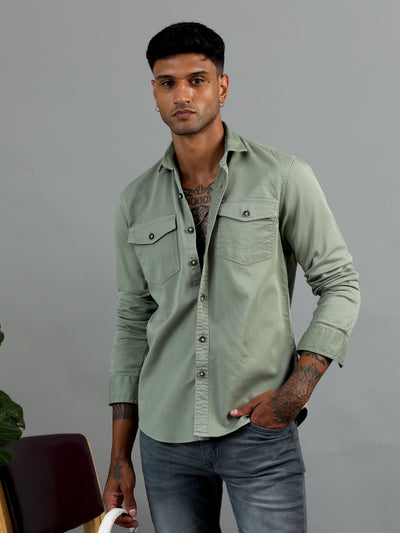


Why Do Some Jeans Look Better With Certain Shirts? Understanding Denim Fits and Proportions
Have you ever worn the same shirt with two different pairs of jeans and noticed how completely different the outfits look?
One combination feels balanced. The other makes the shirt look too long, too fitted or slightly out of place.
The shirt hasn't changed. So what has?
Often, it's the fit and proportions of your jeans.
From slim-fit denim to straight and relaxed jeans, the shape of your pants influences how your entire outfit comes together. Understanding these differences can make choosing everyday outfits much easier.
1. Why Jeans Fit Matters More Than We Think
When shopping for men's jeans, colour is often the first thing we notice.
But fit can have an even bigger influence on the overall silhouette.
Slim-fit jeans follow the shape of your legs more closely. Straight-fit jeans maintain a relatively consistent width, while relaxed jeans provide additional room.
These differences change how the jeans interact with the shirt you're wearing.
For example, a fitted shirt and slim jeans create a more streamlined silhouette. A relaxed shirt with roomier jeans creates a looser overall appearance.
Neither combination is automatically better. The important thing is understanding the look you're trying to achieve.
2. Slim-Fit Jeans Create a More Defined Silhouette
Slim-fit jeans for men are designed to sit closer to the legs without necessarily being as tight as skinny jeans.
Their narrower shape can work particularly well with shirts that have a more fitted or structured silhouette.
Consider a light-blue denim shirt with dark slim-fit jeans. The difference in denim shades creates contrast, while the narrower jeans keep the overall outfit defined.
Slim jeans can also work with regular casual shirts, provided the proportions feel intentional.
One thing to watch is shirt length. An extremely long or oversized shirt can create a noticeable contrast against narrow jeans.
That contrast can be a deliberate styling choice, but it produces a different result from a balanced, fitted outfit.
3. Straight-Fit Jeans Offer a Classic Shape
Straight-fit jeans maintain a more consistent shape from the thigh towards the ankle.
Because they don't taper as closely as slim jeans, they create a different silhouette while remaining relatively simple to style.
This makes them useful with several shirt designs, including solid shirts, checks, stripes and denim.
A regular-fit check shirt with straight jeans, for instance, can create a balanced everyday outfit without making either piece particularly dominant.
Straight jeans are also worth considering if you prefer a classic denim appearance rather than a strongly tapered leg.
4. Relaxed Jeans Change the Entire Proportion
Relaxed-fit jeans provide additional room, particularly around the hips and thighs, depending on their design.
That extra volume changes the appearance of an outfit.
A loose shirt with relaxed jeans creates an intentionally roomy silhouette. A more structured shirt can introduce contrast against the wider shape of the pants.
However, shirt length becomes especially noticeable here.
When both the shirt and jeans are very loose and long, the overall silhouette can appear considerably larger. Choosing different lengths or adding some structure can change that effect.
The goal isn't to avoid loose clothing. It's to understand how the two pieces work together.
5. Shirt Length Can Change How Your Jeans Look
Here's something that often gets overlooked.
Two men wearing exactly the same jeans can create different silhouettes simply because their shirts have different lengths.
A shorter shirt reveals more of the jeans and visually changes the balance between the upper and lower body.
A longer shirt covers more of the waist and hips, creating a different proportion.
Tucking a shirt in changes that balance again.
This is particularly noticeable when comparing fitted denim shirts, regular casual shirts and oversized designs.
Before deciding that a pair of jeans doesn't work with a particular shirt, try changing how the shirt is worn.
Sometimes the difference is surprisingly simple.
6. Denim Wash Adds Another Layer
Fit isn't the only thing influencing your outfit.
The wash of your jeans matters too.
Dark indigo denim creates a deeper, more uniform appearance. Classic mid-blue jeans have a familiar everyday character, while lighter or heavily faded denim can create a more relaxed look.
This becomes particularly interesting when wearing a denim shirt with jeans.
For example, a light-blue denim shirt and dark jeans create noticeable contrast. A dark denim shirt with lighter jeans reverses that combination.
You can also experiment with similar shades, although differences in texture and wash can help distinguish the two pieces.
For more on how different denim garments work together, read our FARYRA article, Denim From Top to Bottom: Understanding Shirts, Jeans and Everyday Denim.
7. What About Father-and-Son Denim Outfits?
The same principles can make father-and-son denim twinning more interesting.
Matching outfits don't always require identical jeans or shirts.
Dad might wear a structured denim shirt with slim-fit jeans, while his son wears a similar denim shirt styled with his own comfortable bottoms.
The coordinating shirts create a visual connection, while the different proportions allow each outfit to retain its own character.
For family photographs or casual outings, this approach can make twinning feel coordinated without requiring every garment to match.
8. How to Choose Jeans for Your Existing Shirts
Before buying another pair of jeans, take a look at the shirts you already wear.
If most of your shirts are fitted, slim or straight jeans may complement their more defined shape.
If you regularly wear loose or oversized shirts, straight and relaxed jeans give you different ways to experiment with volume.
Also consider your preferred footwear, everyday activities and how much room you like around your legs.
The most useful pair of jeans isn't necessarily the one that works with every possible shirt.
It's the one that works with the shirts you actually wear.
FAQs
1.Which jeans fit works with most men's shirts?
Straight-fit jeans can work with a wide variety of casual shirts. However, the most suitable fit depends on shirt length, personal preference and the overall silhouette you want.
2.Can I wear slim-fit jeans with an oversized shirt?
Yes. The contrast between a loose upper half and narrower jeans creates a distinct silhouette. Shirt length influences how balanced or exaggerated that contrast appears.
3.Do relaxed jeans work with fitted shirts?
Yes. A more fitted or structured shirt can contrast with the additional volume of relaxed jeans.
4.Can men wear denim shirts with denim jeans?
Yes. Combining different washes, shades or textures can help distinguish the shirt from the jeans and create a coordinated denim-on-denim outfit.
5.Does the colour of jeans affect how a shirt looks?
Yes. Dark, mid-blue and light-wash jeans create different levels of contrast with the shirt, which can change the overall appearance of an outfit.
Final Thoughts
A good shirt-and-jeans combination isn't just about matching colours.
It's about understanding how the pieces work together.
Slim-fit jeans create a more defined shape. Straight jeans provide a classic silhouette. Relaxed jeans introduce additional room and volume.
Shirt length, fit and denim wash can change the result even further.
So the next time a favourite shirt doesn't look quite right with your jeans, don't immediately replace the shirt.
Try changing the jeans. The difference might be in the proportions
